


Kansai International Academy Elementary School is the first school in the world to be accredited with the bilingual International Baccalaureate Primary Years Program in English and Japanese. Students learn in both English and Japanese in an advanced program that aims to nurture individuals with an international perspective.
What is important at our school is not to answer a set question correctly, but to know what is really going on in the world, to be interested in it, to research it, to think about it, and to act on it. Students learn about Japanese culture and history, as well as Haiku and calligraphy, to establish their identity as Japanese. In the upper grades, students can experience studying abroad in New Zealand and learn about the world firsthand.
Another major strength of the school is that all students are using iPads from Grade 1.
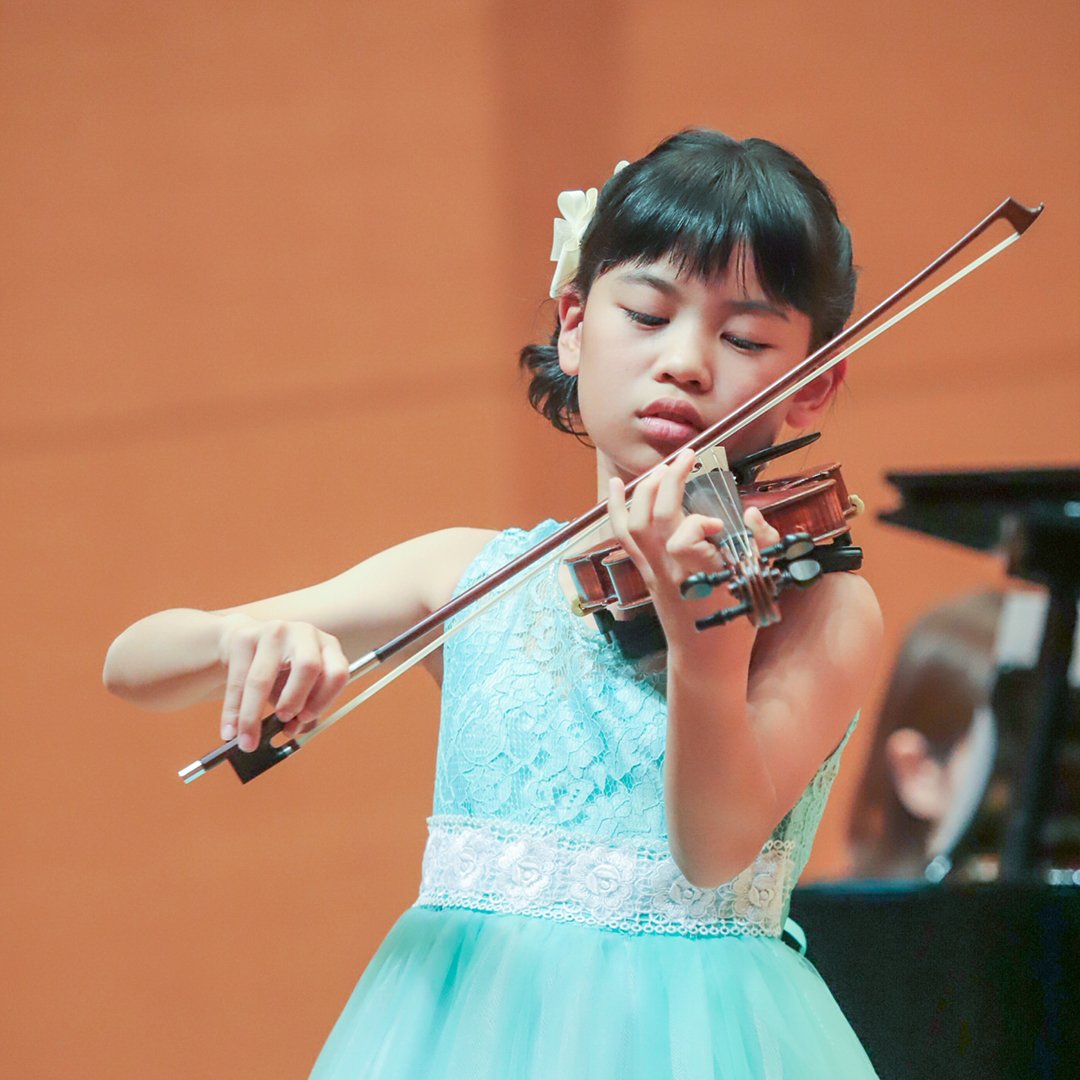
We focus on ICT and programming education to cultivate theoretical thinking and creativity, as well as drama, art, and music education to cultivate sensitivity and expression, and to develop the individuality of each child.
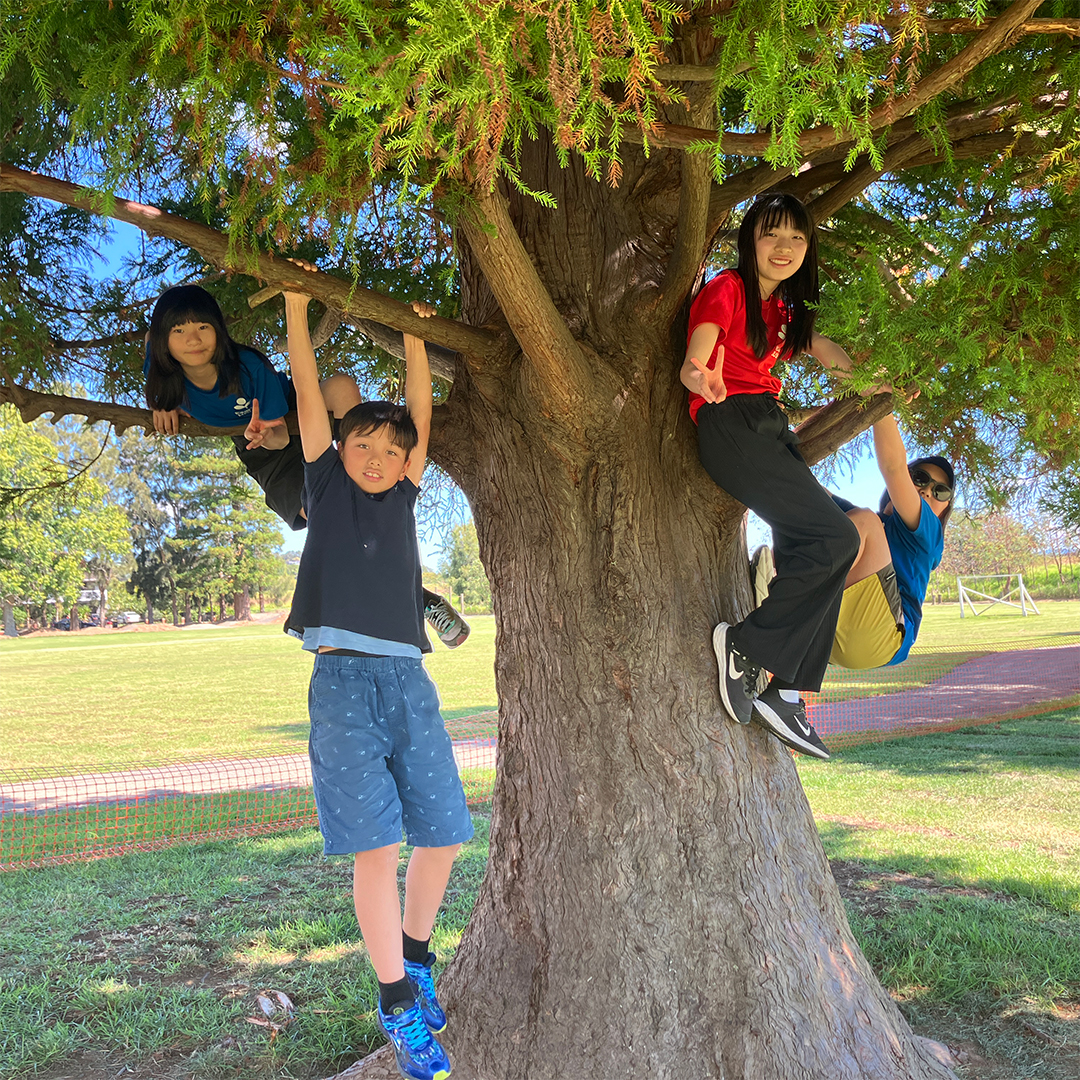
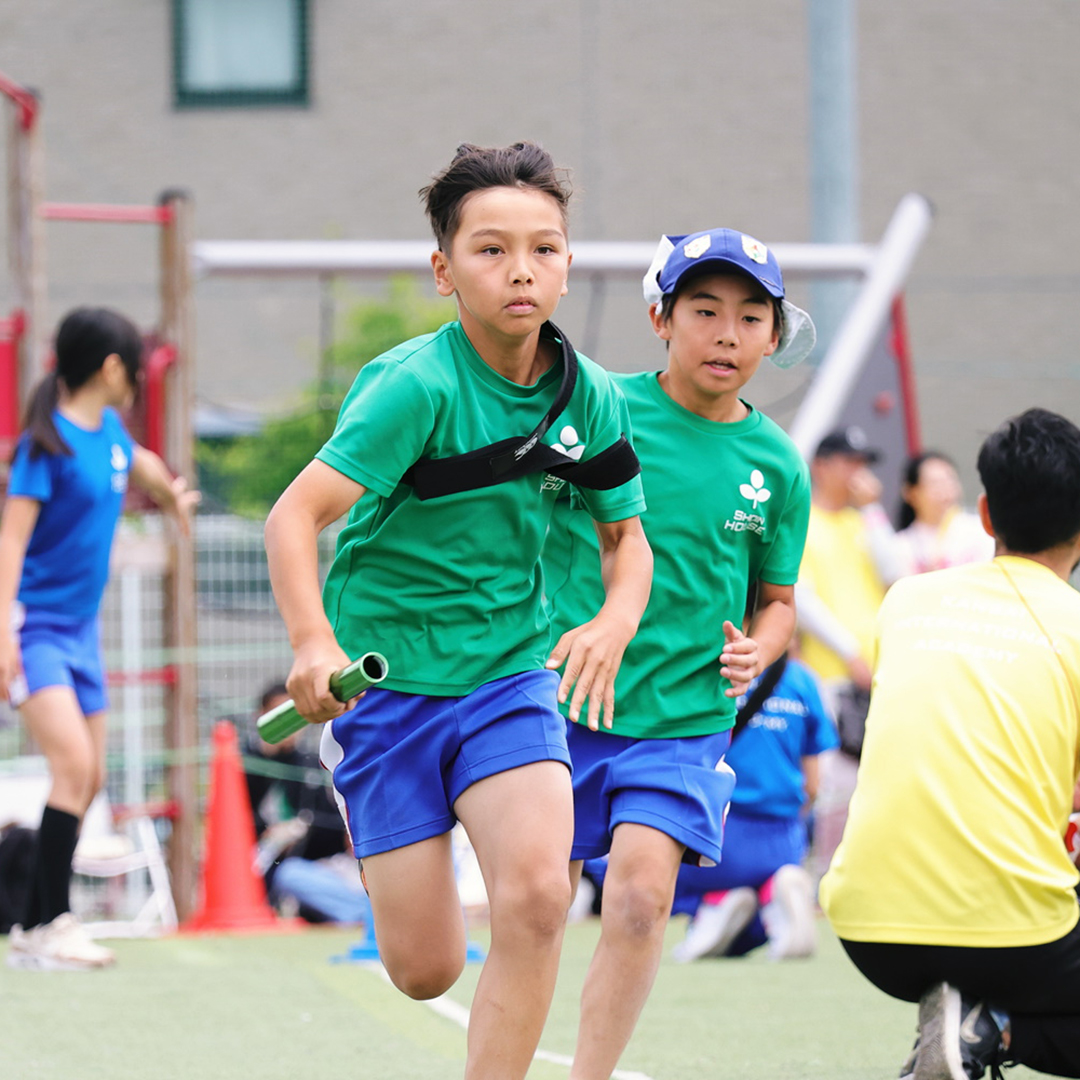
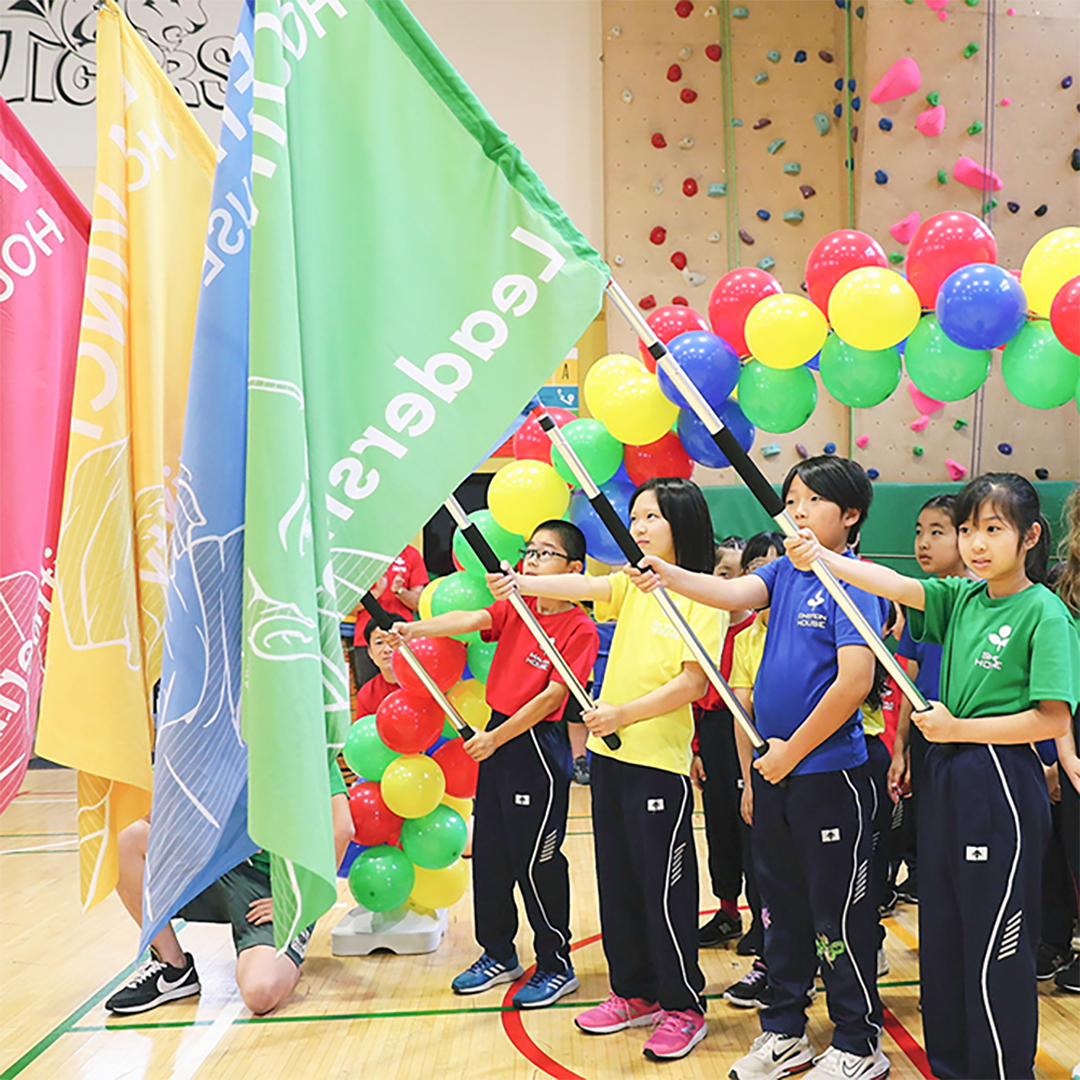
In addition, we have introduced a vertical ” House System” to create an environment that encourages communication beyond the boundaries of age and class.
Japanese-English Bilingual Education
There are many schools and English conversation schools that claim to be “bilingual”, but in many cases, they only end up helping students learn English as a second language.
However, at Kansai International Academy, we provide students with an environment where they can learn to speak English at the same level as they can speak in Japanese.
Rather than always dividing the time between English and Japanese, we have many classes where both languages are spoken freely.
Whether studying animal and plant ecosystems in G2 or politics and court systems in G5, the same content is covered in both languages so that students do not learn “English” but learn “in” English just as they would in Japanese
International Baccalaureate Primary Years Programme
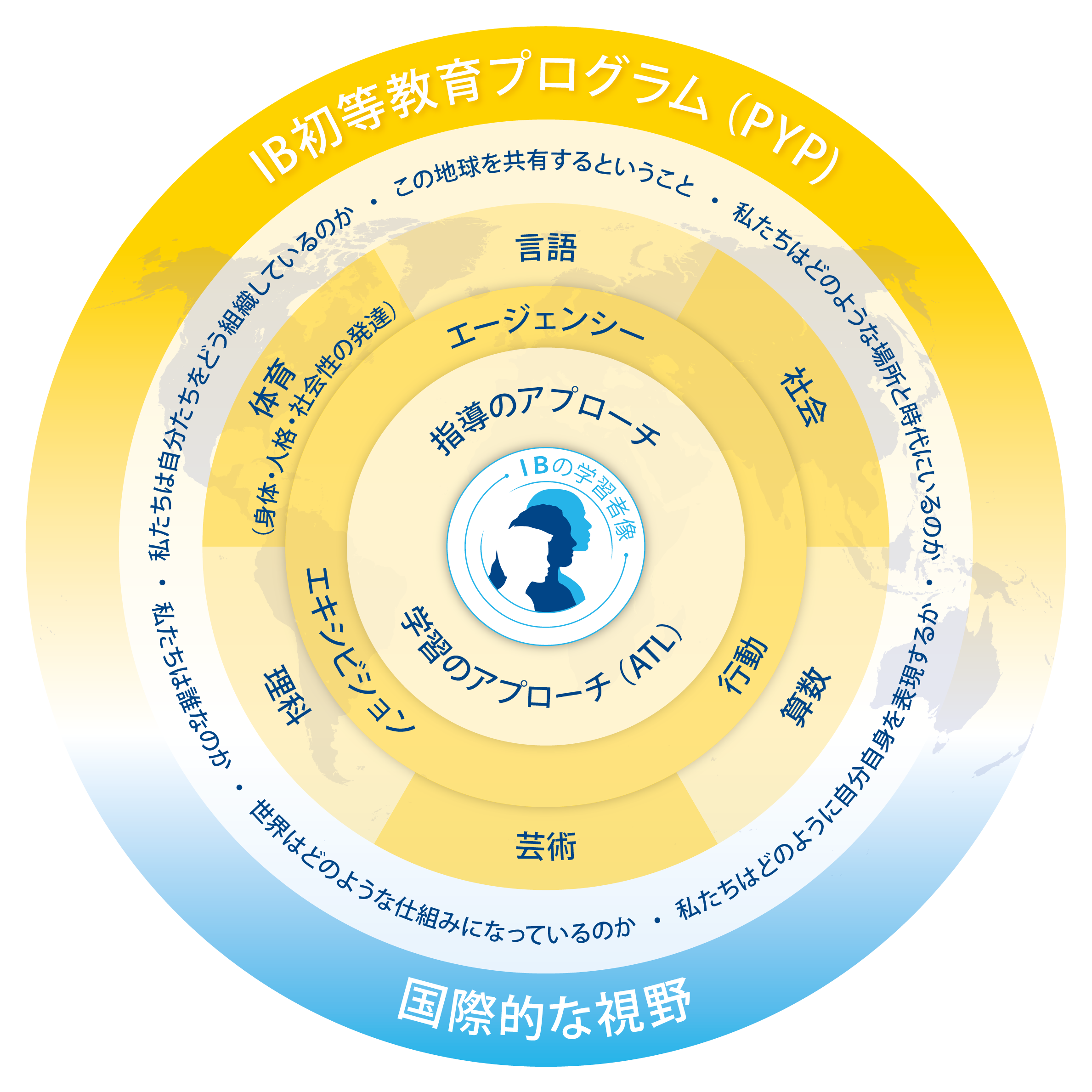
The IB PYP requires schools to learn 6 transdisciplinary themes throughout the year and through the entire PYP.
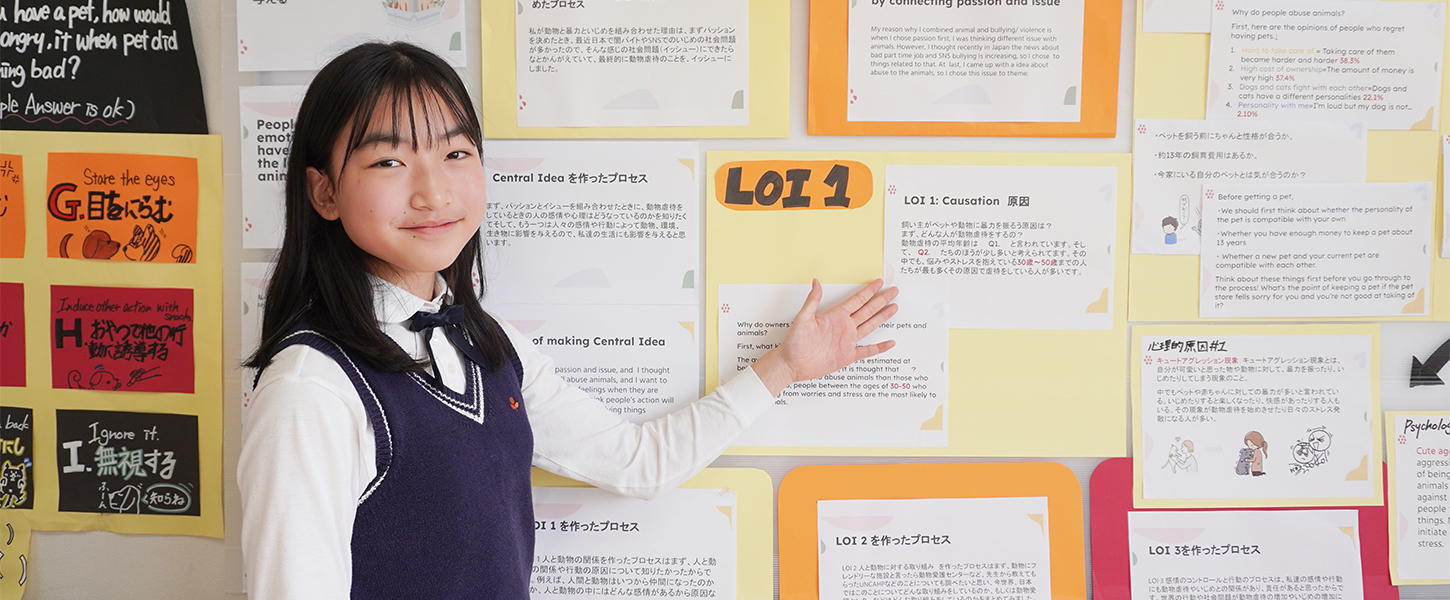
These 6 themes allow children to explore various topics and contents including skills and concepts connected with subject areas. The learning through Units of Inquiry can be described as exploring and investigating the world around us through the lens of higher concepts, practicing and using transdisciplinary skills.
Topics include, but not limited to, how this complicated society is structured, principles of the natural world, relationships between humans and other living things on the planet, cultures and beliefs and ways people express themselves, and differences and similarities among people and identities.
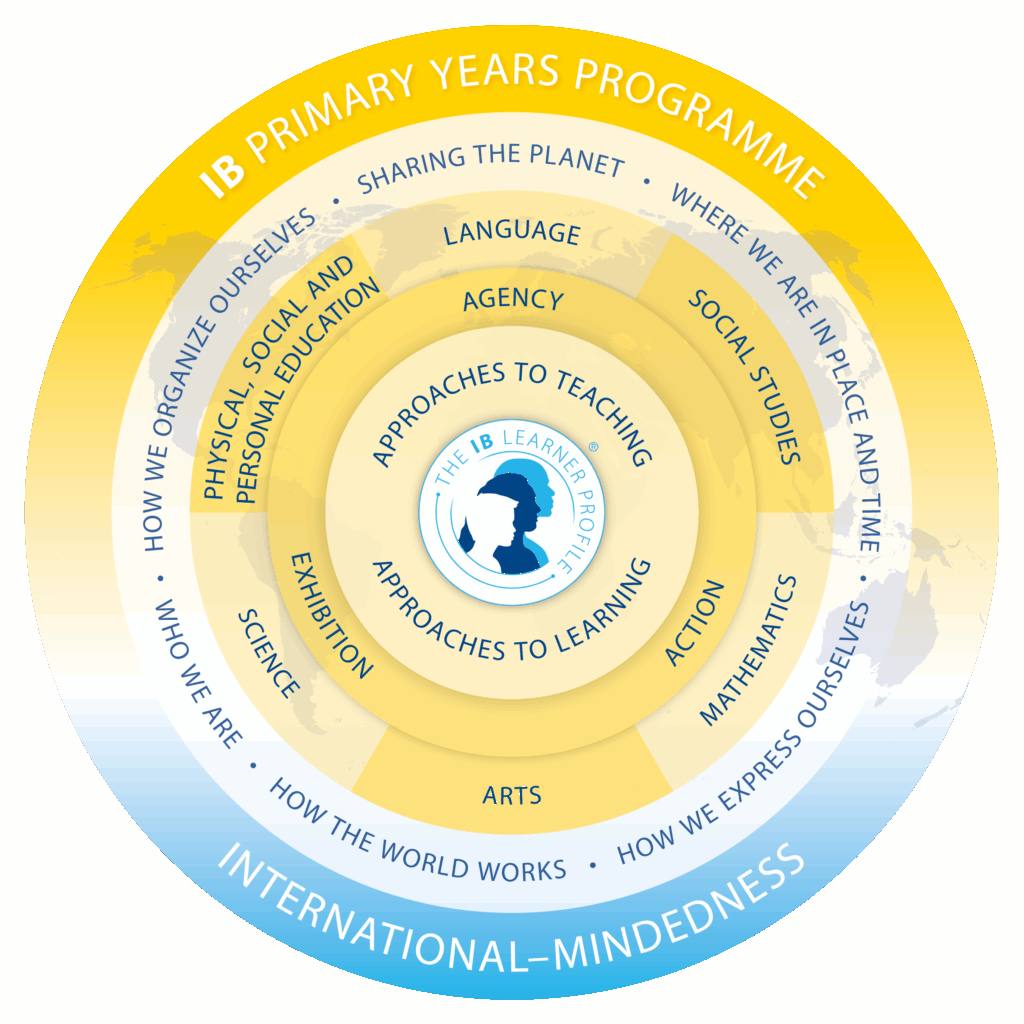
IB promotes transdisciplinary and interdisciplinary education that should lead to action.
The IB approach is not a two-dimensional curriculum that focuses on content, skills and process, but is a three-dimensional curriculum that focuses on concepts, content, skills, processes and critical thinking.
The conceptual approach and the focus on critical thinking should not only lead students to better understand the world, but also to take actions using their knowledge and skills to better their community.
Timetable
The Elementary School timetable is constructed by the homeroom teachers for each grade and class based on the number of hours of study within a set range to meet the requirements of the curriculum.
There are A Japanese teacher who speaks Japanese and an international teacher who speaks English in the class.
Depending on the class, some classes are conducted in Japanese only, some in English only, and some in both Japanese and English. In addition to developing language skills in each language, students are given the opportunity to switch from Japanese to English and from English to Japanese in the same class in order to achieve true bilingualism.
The color indicates the language used in the class. Subjects colored in yellow are conducted in English. The blue ones are held in Japanese. Some of the classes colored in pink are conducted in both languages or in different languages depending on the lesson content.